
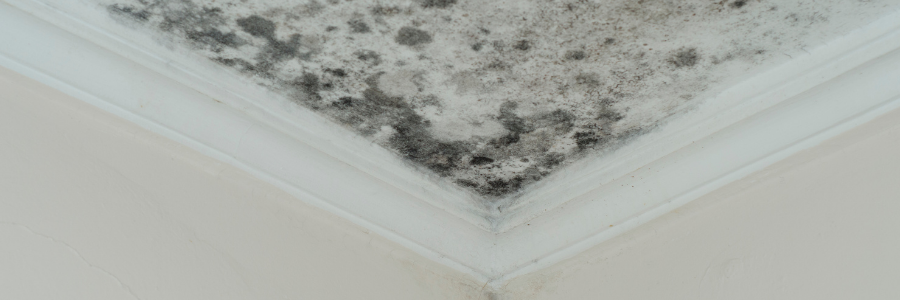
Mold is one of the most common — and most overlooked — problems in Orlando homes. If you’re noticing unusual smells, stains, or health symptoms, these could be signs of mold in your Orlando home. Florida’s year-round humidity, frequent storms, and constant air conditioning use create the perfect environment for mold growth.
As a company with a Florida Licensed Mold Assessor on staff, we’ve inspected thousands
of Orlando homes for mold over the past 17 years.
Here are the warning signs we tell every homeowner to watch for:
1. Musty or Earthy Odors
If you notice a persistent musty smell in your home — especially in bathrooms, closets, laundry rooms, or near AC return vents — mold is likely growing somewhere nearby. This smell comes from microbial volatile organic compounds (mVOCs) that mold produces as it grows. Many homeowners get used to the smell over time, so pay attention when you return home after being away for a few days. If the odor hits you when you walk in the door, that’s a strong indicator.
2. Visible Discoloration on Walls or Ceilings
Dark spots, staining, or discoloration on walls, ceilings, or baseboards often indicates mold growth or moisture damage that will lead to mold. The color can vary — black, green, gray, white, or brown depending on the mold species and the surface material. Even small spots should be taken seriously, as visible mold on a surface typically means much more growth is hidden behind it.
3. Water Stains or Bubbling Paint
Water stains on ceilings or walls indicate a current or past moisture problem. Bubbling, peeling, or warping paint or wallpaper means moisture is trapped behind the surface — creating ideal conditions for mold. In Orlando, these issues commonly result from roof leaks, plumbing failures, and AC condensation problems.
4. Condensation on Windows or Pipes
Excessive condensation on windows, around AC vents, or on plumbing pipes means your home’s humidity levels are too high. When indoor relative humidity exceeds 60%, mold can begin growing on virtually any organic surface. This is an extremely common issue in Orlando homes, particularly during summer months when the temperature difference between conditioned indoor air and humid outdoor air is greatest.
5. Worsening Allergies or Respiratory Issues
If you or family members experience worsening allergies, persistent coughing, nasal congestion, headaches, or eye irritation that improves when you leave the house, indoor mold may be the cause. Children, elderly individuals, and people with asthma or immune conditions are especially sensitive to mold exposure.
6. Recent Water Damage
If your home experienced any water intrusion in the past — a roof leak, pipe burst, flooding, appliance overflow, or even a slow drip under a sink — and the area was not professionally dried within 48 hours, mold growth is highly probable. In Orlando’s heat and humidity, mold can begin colonizing within 24-48 hours after water exposure.
7. AC System Issues
Your air conditioning system runs nearly year-round in Orlando and is one of the most common mold sources in Central Florida homes. Warning signs include musty air coming from vents, visible mold around vent registers, water stains near the air handler, or a clogged condensate drain line. If your AC system smells musty, it’s likely circulating mold spores throughout your entire home every time it runs.
What to Do If You Notice These Signs
Don’t ignore the warning signs of mold in your Orlando home and don’t try to clean mold yourself if the affected area is larger than about 10 square feet. Improper mold removal can actually spread spores and make the problem worse.
Call a professional with a Florida Licensed Mold Assessor who can properly evaluate your home, conduct testing if needed, and recommend the right course of action. Infinity Restoration offers free visual mold assessments for Orlando homeowners. Call (407) 286-8297 or contact us online to schedule yours.
One Response
Hi, this is a comment.
To get started with moderating, editing, and deleting comments, please visit the Comments screen in the dashboard.
Commenter avatars come from Gravatar.