
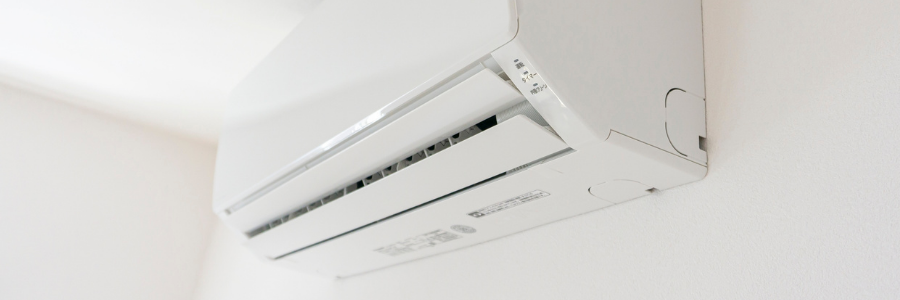
Mold in AC system Orlando homes is more common than most homeowners realize. With air conditioners running nearly year-round in Florida’s humidity, your HVAC system can easily become a breeding ground for mold if not properly maintained. Here’s why, and what you should do about it.
Why AC Systems in Orlando Are Mold Magnets
Your air conditioning system works by pulling warm, humid air from inside your home, passing it over a cold evaporator coil to remove heat and moisture, and then circulating the cooled air back through your ductwork. This process creates condensation — water — inside your air handler every time the system runs. In Orlando, where the AC runs almost continuously, that’s a lot of moisture being generated inside your home’s air distribution system.
When everything is working correctly, this condensation drips into a drain pan and flows out through a drain line. But when components fail, get clogged, or are improperly maintained, the moisture stays inside the system. Add organic material (dust, skin cells, and other particles that accumulate in every HVAC system) and you have everything mold needs to thrive — moisture, food, and a dark, enclosed space.
Common AC Mold Problems in Orlando Homes
Clogged Condensate Drain Lines — This is the number one cause of AC-related mold in Orlando homes. Florida’s humidity means your AC produces gallons of condensation daily. When the drain line clogs with algae, slime, or debris, water backs up into the drain pan and eventually overflows — spilling water inside your air handler and into the surrounding area. Mold begins growing in the standing water and spreads quickly.
Dirty Evaporator Coils — Dust and debris accumulate on the evaporator coil over time. Combined with the constant moisture from condensation, this creates a perfect mold breeding ground directly inside the air stream that feeds every room in your home.
Oversized AC Systems — Many Orlando homes have AC systems that are too large for the space. Oversized units cool the air quickly but don’t run long enough to adequately dehumidify. This leaves excess moisture in the air and on system components, promoting
mold growth. This is especially common in older Orlando homes where the original AC was replaced with a larger unit without proper load calculations.
Ductwork Condensation — In attics where temperatures can exceed 140°F in Orlando summers, temperature differences between the hot attic air and the cold air inside ductwork cause condensation on the outside of ducts. Poorly insulated or damaged ductwork allows this moisture to accumulate, creating mold growth on and around duct surfaces.
Signs Your Orlando AC System Has Mold
Watch for these warning signs: a musty smell when the AC kicks on, visible dark spots around vent registers, increased allergy or respiratory symptoms that worsen indoors, water stains near the indoor air handler, and higher-than-normal indoor humidity despite the AC running constantly.
What to Do About AC Mold
Don’t ignore it. Every time your AC runs, it’s potentially circulating mold spores through every room in your home via the ductwork. This is how a mold problem that started in the air handler ends up causing elevated spore counts in bedrooms, living areas, and closets
throughout the house.
Professional HVAC mold remediation includes cleaning and treating the air handler, evaporator coil, drain pan, and ductwork throughout the home. This should be done by an IICRC-certified technician as part of a comprehensive mold remediation plan. For prevention, have your AC serviced at least twice a year in Orlando, keep your condensate drain line clear (pour a cup of white vinegar down it monthly), change filters every 1-3 months, and make sure your system is properly sized for your home.
If you suspect mold in your AC system, call Infinity Restoration at (407) 286-8297. Our Florida Licensed Mold Assessor can test the air quality in your home and our IICRC-certified technicians can remediate the system. We respond 24/7.