
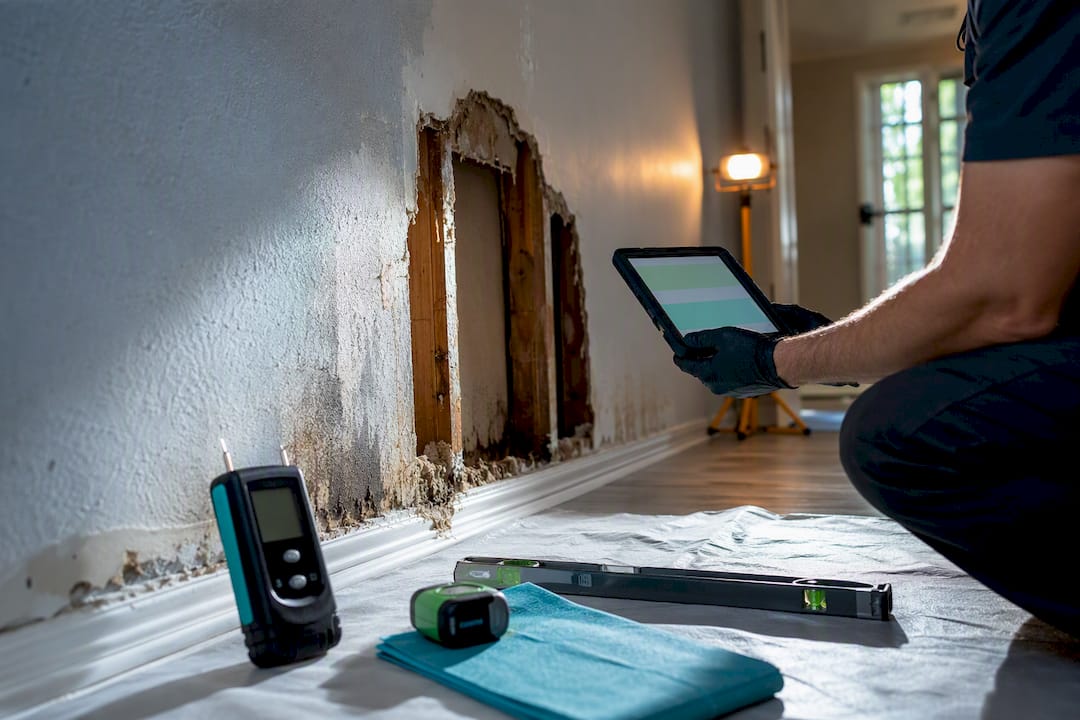
If your home suffered water or flood damage, you likely need to file a sworn proof of loss, and the clock is probably already running. If a National Flood Insurance Program policy applies, you have 60 days from the date of loss unless FEMA extends that in writing. Private homeowner policies vary, so check yours today. Document everything now, and notify your insurer in writing before you do anything else.
TL;DR:
- Filing a sworn proof of loss is essential within 60 days for NFIP claims, and private insurers may have different, often shorter, deadlines.
- Accurate documentation, including timestamped photos, moisture maps, detailed inventories, and receipts, is critical for a successful and timely claim settlement.
- Submit the proof of loss form only after verifying all figures against your records and ensure all supporting documents are complete and properly labeled.
- Missing the deadline or submitting unsupported, incomplete documentation can lead to claim denial, especially if extensions are not requested before the deadline.
- Professional restoration services can provide the detailed, calibrated records preferred by insurers, reducing delays and increasing the chances of full compensation.
Table of Contents
- What Is a Proof of Loss for Water Damage?
- How Long Do You Have to File a Proof of Loss?
- What Documents Do You Need to Attach to a Proof of Loss?
- How Do You Fill Out and Submit the Proof of Loss Form?
- What Mistakes Reduce or Void a Water Damage Claim?
- What Happens After You Submit Your Proof of Loss?
- Why Moisture Mapping and Contractor Records Matter to Adjusters
- The First 72 Hours: What Actually Protects Your Claim
- How Infinity Restoration Builds Your Proof of Loss Evidence
- Where to Find Official Forms and Consumer Guidance
- Sources
- FAQ
What Is a Proof of Loss for Water Damage?
A proof of loss (POL) is a sworn, itemized statement of what you’re claiming and why. You attest, under penalty of perjury, to the cause of loss and the dollar amount you believe your insurer owes you, per the requirements for flood claims and typical policy conditions. That’s not a formality. It’s a legal document.
For NFIP flood claims, the Standard Flood Insurance Policy dwelling form spells out sworn statement language, and many claims require notarization. Private policies borrow similar structure but vary by carrier. Sign an incomplete or unsupported POL and you may struggle to add damages you discover later. Get it wrong, and you could leave real money on the table.
How Long Do You Have to File a Proof of Loss?
NFIP claims carry a strict 60-day deadline from the date of loss, and that timeframe only moves if FEMA’s Federal Insurance Administrator grants a written extension, according to the SFIP dwelling form. Private insurers set their own timing, often 60 days from when they formally request the form, buried in the “Duties After Loss” section of your policy.
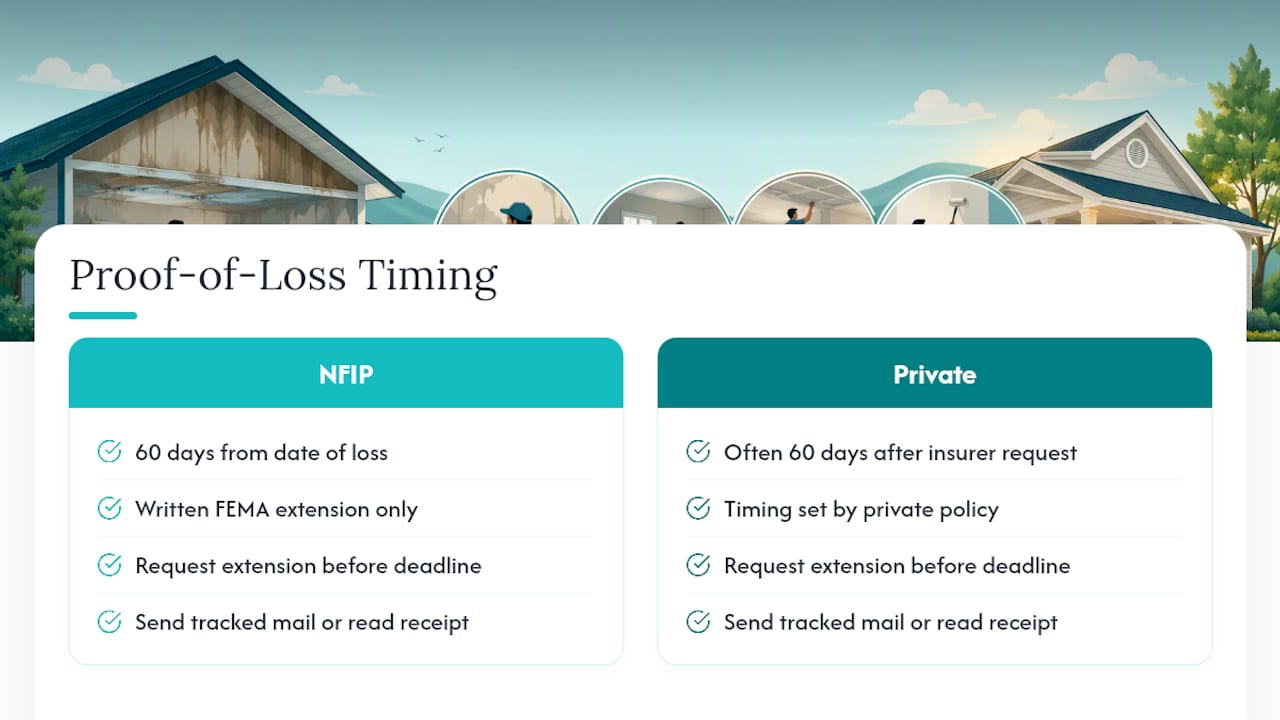
Don’t wait until day 59 to act. If you need more time, request a written extension before your deadline passes, not after. Send it through tracked mail or email with a read receipt, so you have proof it arrived on time. Missing a deadline without documented proof of an extension request is one of the fastest ways to see a claim denied, according to consumer claims advice.
What Documents Do You Need to Attach to a Proof of Loss?
Insurers and adjusters expect a specific evidence package, not a handful of blurry photos. The California Department of Insurance recommends photographing damage before any cleanup begins, and keeping every receipt tied to the loss. Industry guidance points to four core documentation streams that speed up settlement: photos, a written timeline, moisture mapping, and contents inventory.
Build your file around these items:
- Timestamped photos and video of every affected room, taken before mitigation or demolition starts.
- A contents inventory listing serial numbers, purchase dates, and replacement values for damaged items.
- A contractor’s itemized scope of work and estimate, ideally in a standardized format adjusters recognize.
- Moisture maps, daily drying logs, and photos of equipment placement during mitigation.
- Receipts for emergency repairs, temporary housing (additional living expenses), and any plumber or engineer reports.
Label every file with your claim number and the date it was created, then store copies in a dedicated folder, cloud or physical. An adjuster who gets a clean, organized packet moves faster than one sorting through a jumble of unlabeled attachments.
How Do You Fill Out and Submit the Proof of Loss Form?
Start by locating the correct form. NFIP claims typically use FEMA Form 206, an adjuster-prepared document with sworn statement language you review before signing. Private carriers usually issue their own version.
- Fill in identifying fields first: policy number, names of all insureds, date of loss, and cause of loss.
- Itemize amounts by coverage category (dwelling, contents, additional living expenses). Never write in a placeholder or rounded guess figure.
- Read the sworn statement section carefully. Many NFIP claims require notarization, so confirm whether yours does before you sign.
- Hold off on signing until every supporting document is attached and matches the numbers you’re claiming.
- Submit through tracked mail or your carrier’s online portal, and keep a dated copy along with proof of delivery.
Pro Tip: FEMA’s adjuster-prepared form is offered as a convenience, not an obligation to accept as written. Review every line against your own documentation, and don’t sign just because the adjuster handed you a pen.
What Mistakes Reduce or Void a Water Damage Claim?
The single costliest mistake is signing an insurer-drafted POL without checking the figures against your own records. Once you swear to an amount, adding to it later gets harder. Submitting an incomplete contents inventory or a placeholder dollar figure creates the same problem: you’ve locked in a number that doesn’t reflect your actual loss.
Skipping documentation before demolition is another common error. If you tear out drywall before photographing the damage or before a contractor logs moisture readings, that evidence is gone. And missing a deadline without a written extension request on file gives the insurer a clean reason to deny the claim outright.
What Happens After You Submit Your Proof of Loss?
Once your POL lands with the insurer, expect an adjuster review, possibly a reinspection, and sometimes a request for more documentation if they consider your evidence insufficient. Respond quickly. Add the specific evidence requested, and note the date you received the request so you can track your response window.
If the payout feels wrong, you have options: appraisal clauses written into most policies, a public adjuster who negotiates on your behalf, formal appeals through your carrier, or small claims court for smaller disputed amounts. Whichever path you take, log every phone call and email with a date and summary. An organized communication trail is often what turns a stalled dispute into a paid claim.
Why Moisture Mapping and Contractor Records Matter to Adjusters
Adjusters trust numbers they can verify. A moisture map with calibrated meter readings taken at set grid points, checked against drying targets for each material, gives them exactly that. Combined with daily drying logs, equipment placement photos, and mitigation invoices, this record proves both the scope of damage and that mitigation actually happened, according to industry documentation guidance.
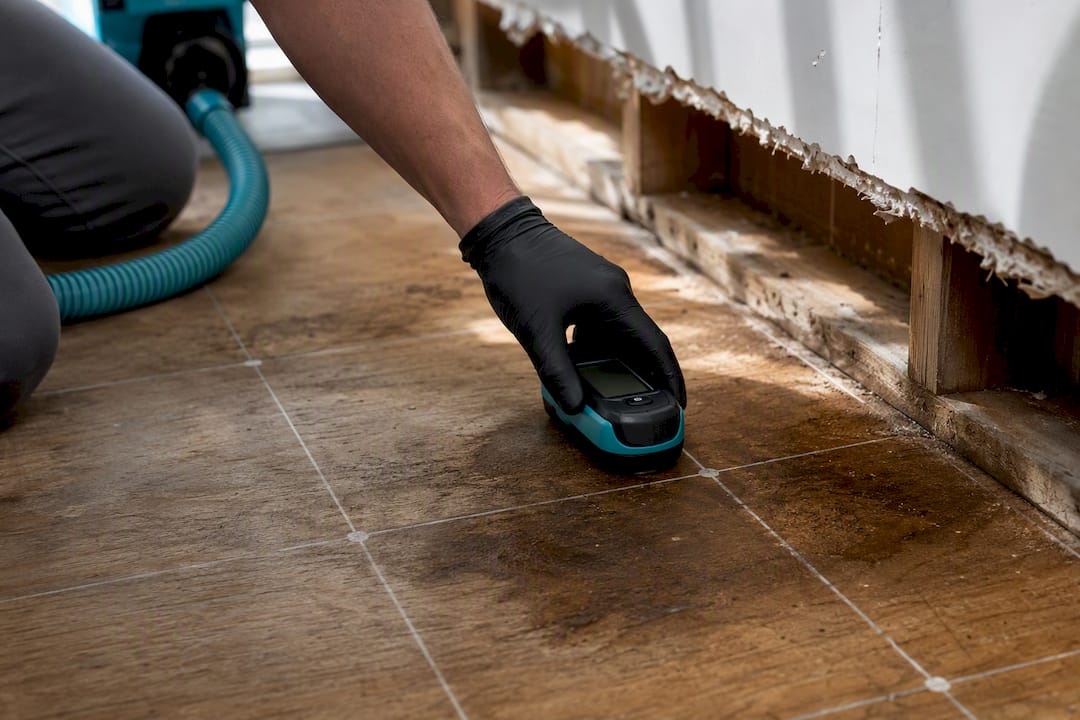
Hidden water damage behind walls or under flooring is where these records earn their weight. Timestamped, objective measurements often settle disputes that photos alone can’t resolve. If mold growth is suspected, bring in a licensed mold assessor before you finalize your POL. A restoration contractor’s real-time documentation, including moisture mapping during mitigation, can be dropped directly into your claim packet as supporting evidence.
The First 72 Hours: What Actually Protects Your Claim
Photograph everything before you touch anything, then notify your insurer in writing the same day. Start mitigation immediately, but insist on drying logs and dated receipts as you go. Collect a contractor estimate and build your contents inventory while the damage is still fresh in memory. If your deadline feels tight, send a written extension request before day 60, not after.
— Nate
How Infinity Restoration Builds Your Proof of Loss Evidence
A professional restoration company can provide proper tools and documentation instead of relying on phone cameras and a notepad. When water or flood damage hits your Orlando home, our crews arrive with the tools to build the exact documentation adjusters expect: calibrated moisture maps, daily drying logs, and itemized mitigation invoices that match your claim dollar for dollar.
That real-time record shortens the back and forth with your insurer, because you’re not scrambling to reconstruct what happened after the fact. Including a licensed mold assessor can be important if hidden moisture leads to secondary mold claims. Whether the damage is a burst pipe or storm flooding, our 24/7 water damage response gets documentation started within hours, not days. Call for emergency service, or check our emergency services page to see what’s available right now in your area.
If your property is too far gone to justify a full rebuild, a Florida property buyer specializing in damaged homes is worth a look as a separate path.
Where to Find Official Forms and Consumer Guidance
For the exact legal language governing flood claims, read the SFIP dwelling form directly on FEMA’s site, and download FEMA Form 206 if you’re working an NFIP claim. The FEMA homepage hosts additional program guidance and updates.
For state-specific consumer protections, California’s residential property claims guide is a solid model many state insurance departments mirror. Ready offers broader disaster recovery resources, though it won’t replace your policy’s specific requirements.
This article is general information, not a substitute for advice from a qualified financial advisor. Consult a qualified financial professional about your own circumstances before acting on anything here.
Sources
- Residential property claims guide — California Department of Insurance
- How to document water damage for insurance (industry guide)
FAQ
How Do You Prove Water Damage for an Insurance Claim?
Photograph and video every affected area before cleanup or demolition, keep all receipts, and get a contractor’s moisture map and drying logs during mitigation. These four documentation streams, photos, timeline, moisture data, and inventory, form the backbone of a defensible claim.
What Does a Proof of Loss Form Look Like?
It’s a sworn, itemized statement listing the policy number, date and cause of loss, and dollar amounts claimed by coverage category, often with a notary section. FEMA Form 206 is a standard example used in NFIP flood claims.
What Counts as Proof of Loss for Water Damage?
Acceptable evidence includes timestamped photos and video, a contents inventory with values, contractor estimates, moisture maps and drying logs, and receipts for emergency repairs or temporary housing. Insurers weigh objective, dated records more heavily than general descriptions.
Who Is Responsible for Filling Out the Proof of Loss?
The policyholder signs and swears to the proof of loss, though for NFIP claims an adjuster often prepares the form first for the insured to review. You should verify every figure against your own documentation before signing, since your signature makes the numbers legally binding.
Can You Get an Extension on a Proof of Loss Deadline?
Yes, but you must request it in writing before your original deadline passes, not after. For NFIP claims, only FEMA’s Federal Insurance Administrator can grant that extension.