
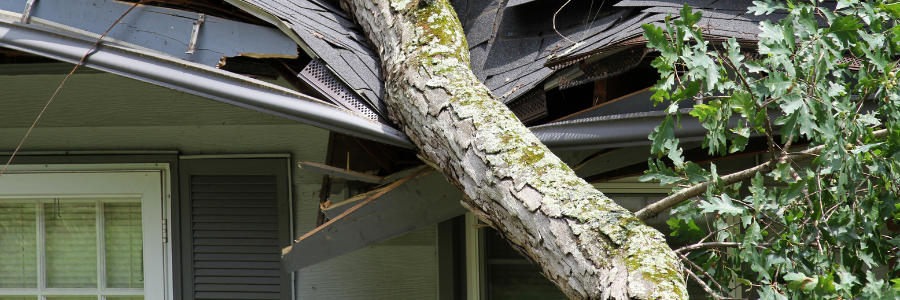
After a major storm, most homeowners focus on visible damage—like roofs, windows, or flooding.But one of the biggest risks isn’t always visible. Storm damage mold Florida is a common issue, especially when moisture is left untreated. The big question is: does storm damage always lead to mold?
Not always—but in Florida, it often does if action isn’t taken quickly.
How Storm Damage Leads to Mold in Florida
Storms create the perfect conditions for mold growth.
Here’s how it typically happens:
- Heavy rain or flooding introduces moisture
- Water seeps into walls, flooring, and insulation
- Humidity levels rise inside the home
- Moisture becomes trapped in hidden areas
- Mold begins growing within 24–48 hours
This chain reaction is especially common in Florida’s warm, humid climate.
When Storm Damage Is Most Likely to Cause Mold
Not all storm damage results in mold—but certain situations increase the risk significantly.
You’re more likely to see storm damage mold Florida issues when:
- Water isn’t removed quickly
- Materials stay damp for more than 24 hours
- There’s poor ventilation
- Moisture gets trapped behind walls or under flooring
- The HVAC system spreads humid air
Even small leaks can create the right environment for mold to grow.
Common Areas Mold Develops After a Storm
After storm damage, mold often forms in hidden or overlooked areas:
- Behind drywall
- Under carpet and flooring
- Inside insulation
- Around ceilings and roof leaks
- Inside HVAC systems and ducts
By the time you notice it, the problem may already be widespread.
Signs Mold May Be Developing After Storm Damage
If your home has recently experienced a storm, watch for early warning signs:
- Musty or damp odors
- Discoloration on walls or ceilings
- Peeling paint or bubbling surfaces
- Increased indoor humidity
- Allergy-like symptoms
These are strong indicators that moisture—and possibly mold—is present.
How to Prevent Mold After Storm Damage
Preventing storm damage mold Florida issues comes down to one thing: speed.
Here’s what you should do immediately:
- Remove standing water as quickly as possible
- Begin drying within the first 24 hours
- Use dehumidifiers and air circulation
- Remove materials that can’t be fully dried
- Inspect hidden areas for trapped moisture
In Florida, delaying even a day or two can make a major difference.
Why Professional Help Matters
Storm damage isn’t always visible on the surface.
A professional restoration team can:
- Detect hidden moisture
- Perform water extraction and structural drying
- Prevent mold before it spreads
- Provide mold testing if needed
>> Storm Damage Restoration services <<
>> Water Damage Restoration services <<
Storm Damage → Water Damage → Mold: The Chain Reaction
One of the biggest mistakes homeowners make is treating storm damage as a one-step problem.
In reality, it’s a chain reaction:
Storm → Water Intrusion → Trapped Moisture → Mold Growth
Breaking that chain early is the key to protecting your home.
Florida Homeowners: Timing Is Everything
Because of Florida’s climate, mold growth after storms isn’t just possible—it’s likely if moisture isn’t handled properly.
The faster you respond, the more you can:
- Prevent mold growth
- Reduce repair costs
- Protect your home’s structure and air quality
Need Help After a Storm? Don’t Wait
If your home has experienced storm damage, don’t wait for mold to appear.
Infinity Restoration provides fast, professional solutions for storm damage mold Florida homeowners face—helping you stop the problem before it spreads.
Call now for immediate inspection and restoration services.